
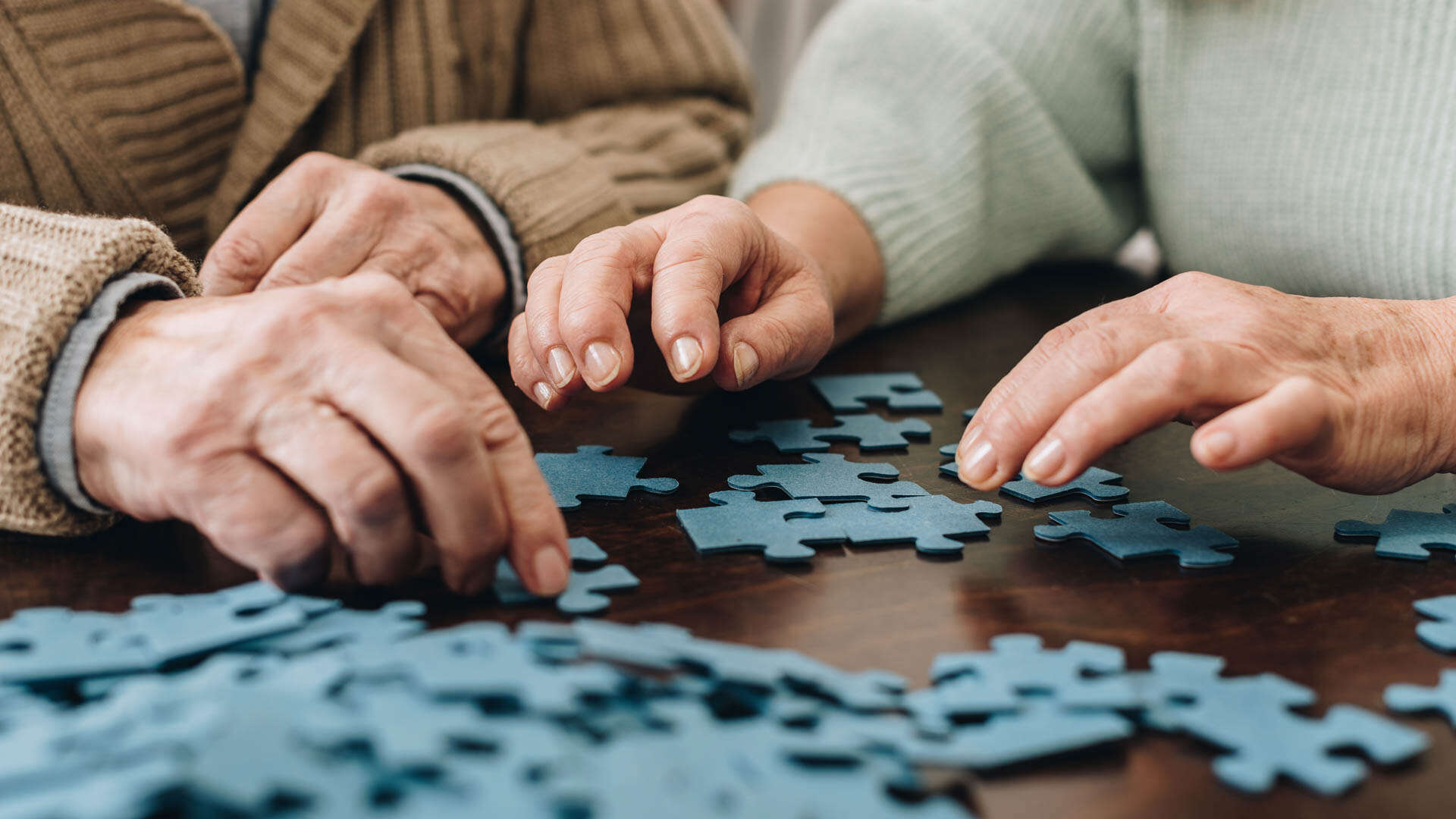
Imagine a man who, four months after a stroke, wants to start making the morning coffee again. His wife has taken over this task because he struggles to use his affected arm. He can lift an empty mug, but a full one is too heavy.
A PEER-HOMEcare therapist might suggest using a lighter mug, filling it halfway or perhaps changing where the mugs are kept. His wife might also be encouraged to give him a little more time before offering help.
The aim is not to train coffee-making. It is that the kitchen now invites him to use the arm, in different ways, many times a day.
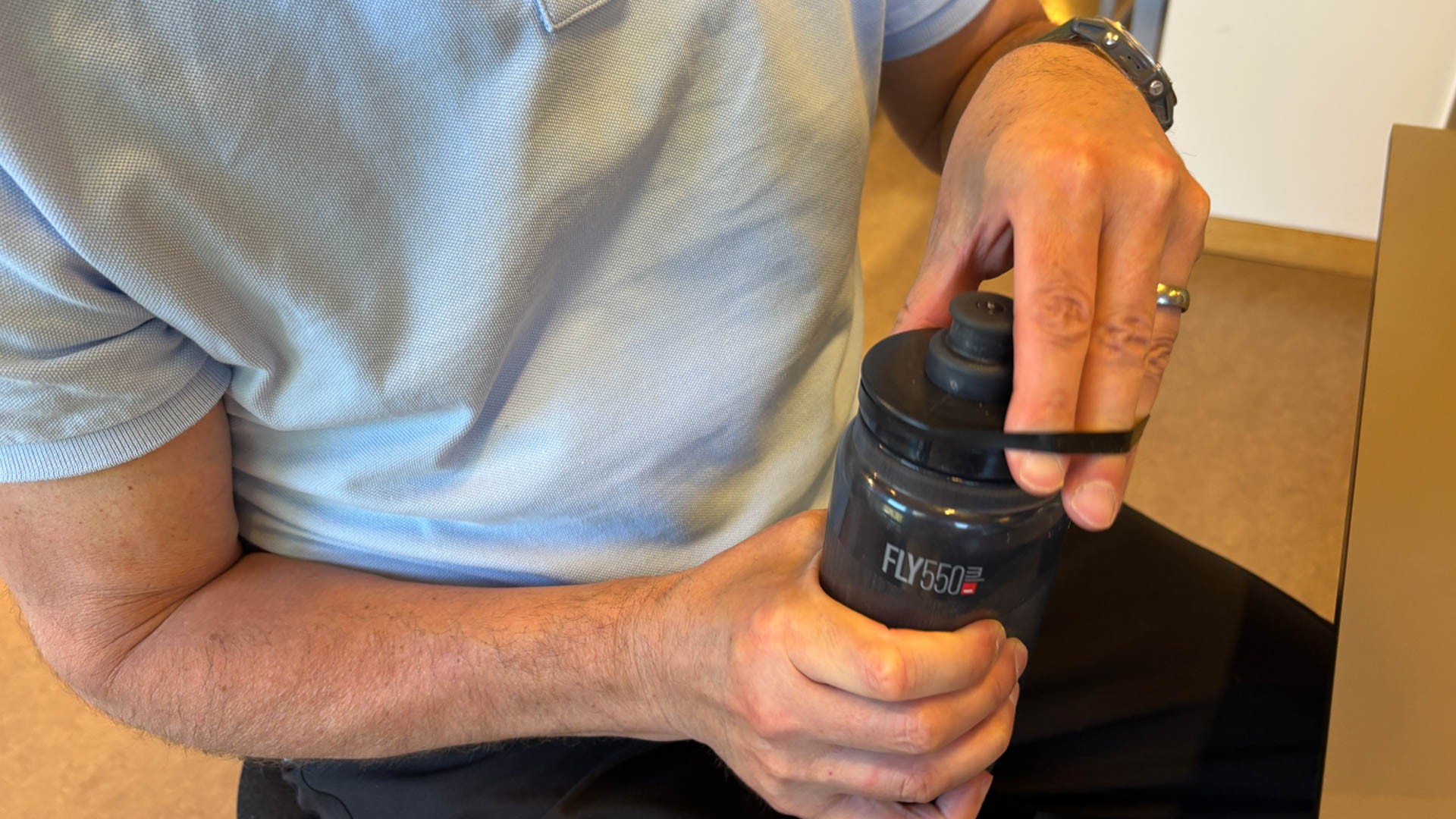
Simple tasks at home are an important part of the rehabilitation approach being tested in PEER-HOMEcare.
Photo: PeerHOMEcare
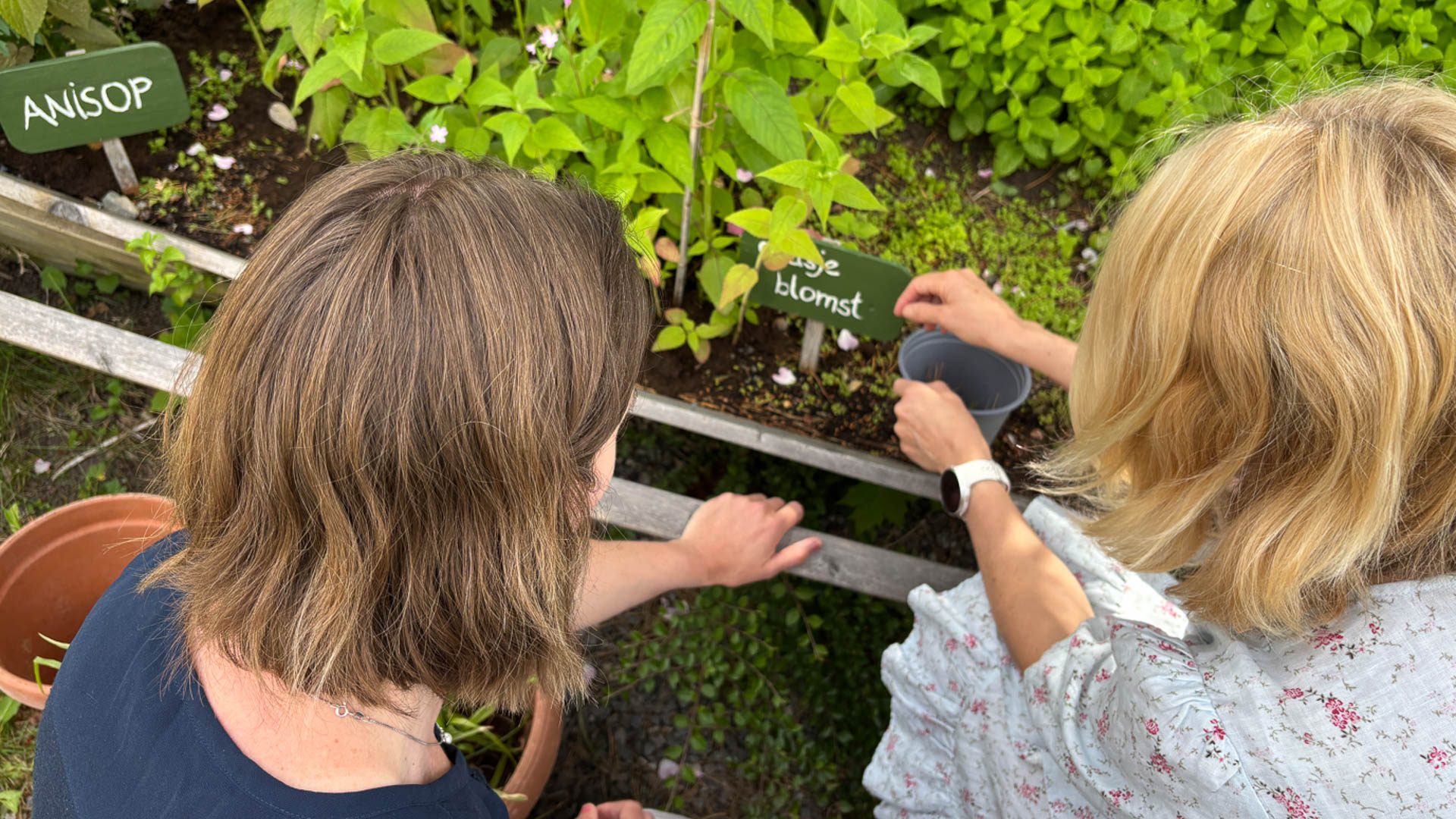
Simple tasks at home are an important part of the rehabilitation approach being tested in PEER-HOMEcare.
Photo: PeerHOMEcare
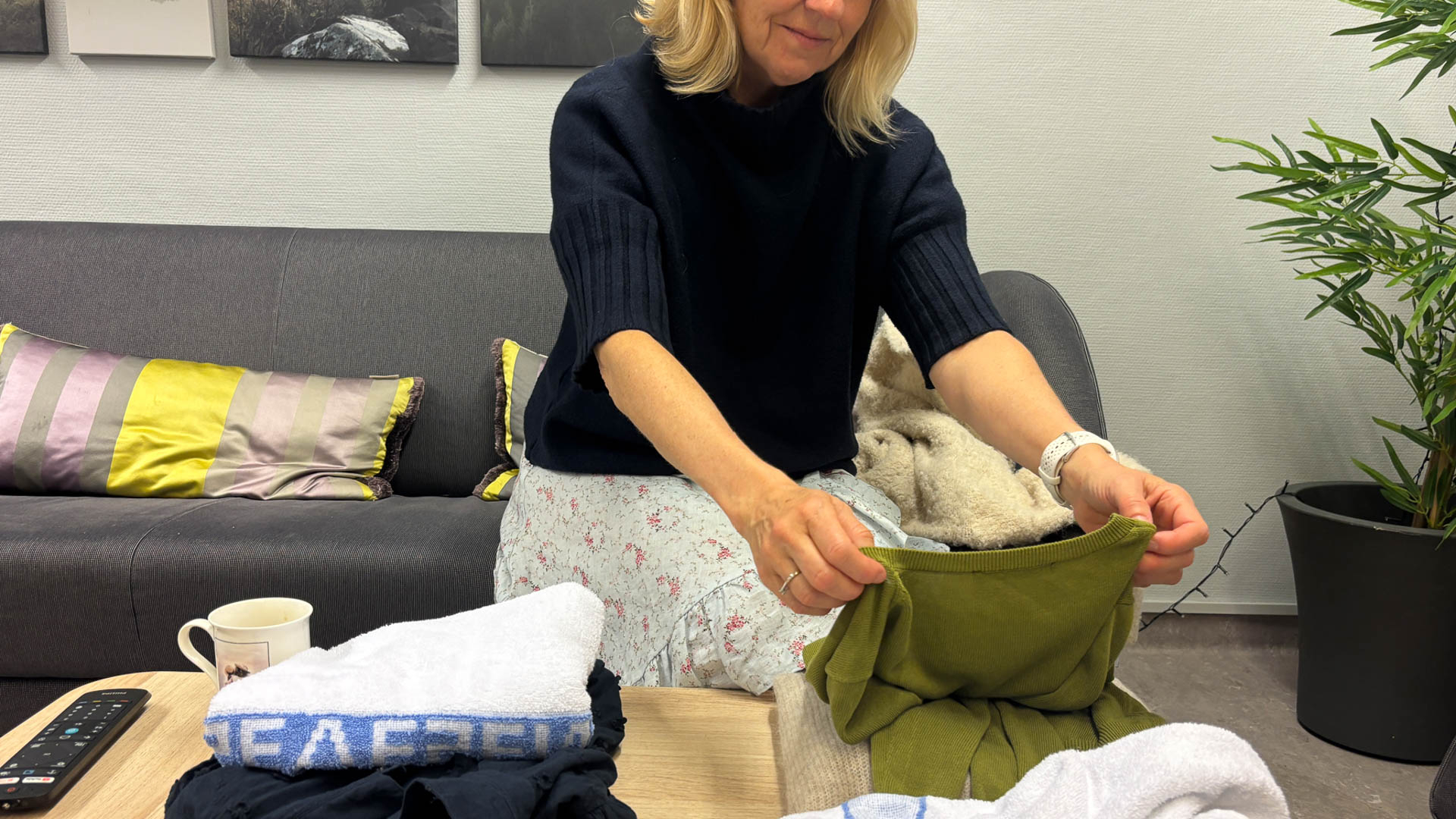
Simple tasks at home are an important part of the rehabilitation approach being tested in PEER-HOMEcare.
Photo: PeerHOMEcare
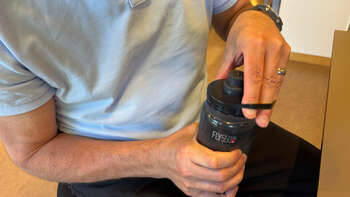
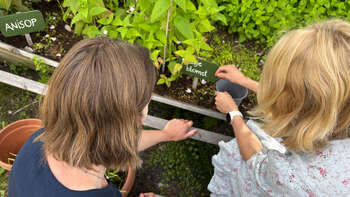
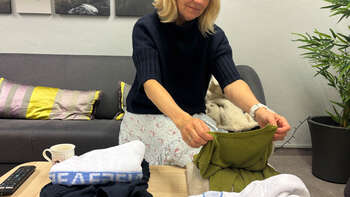
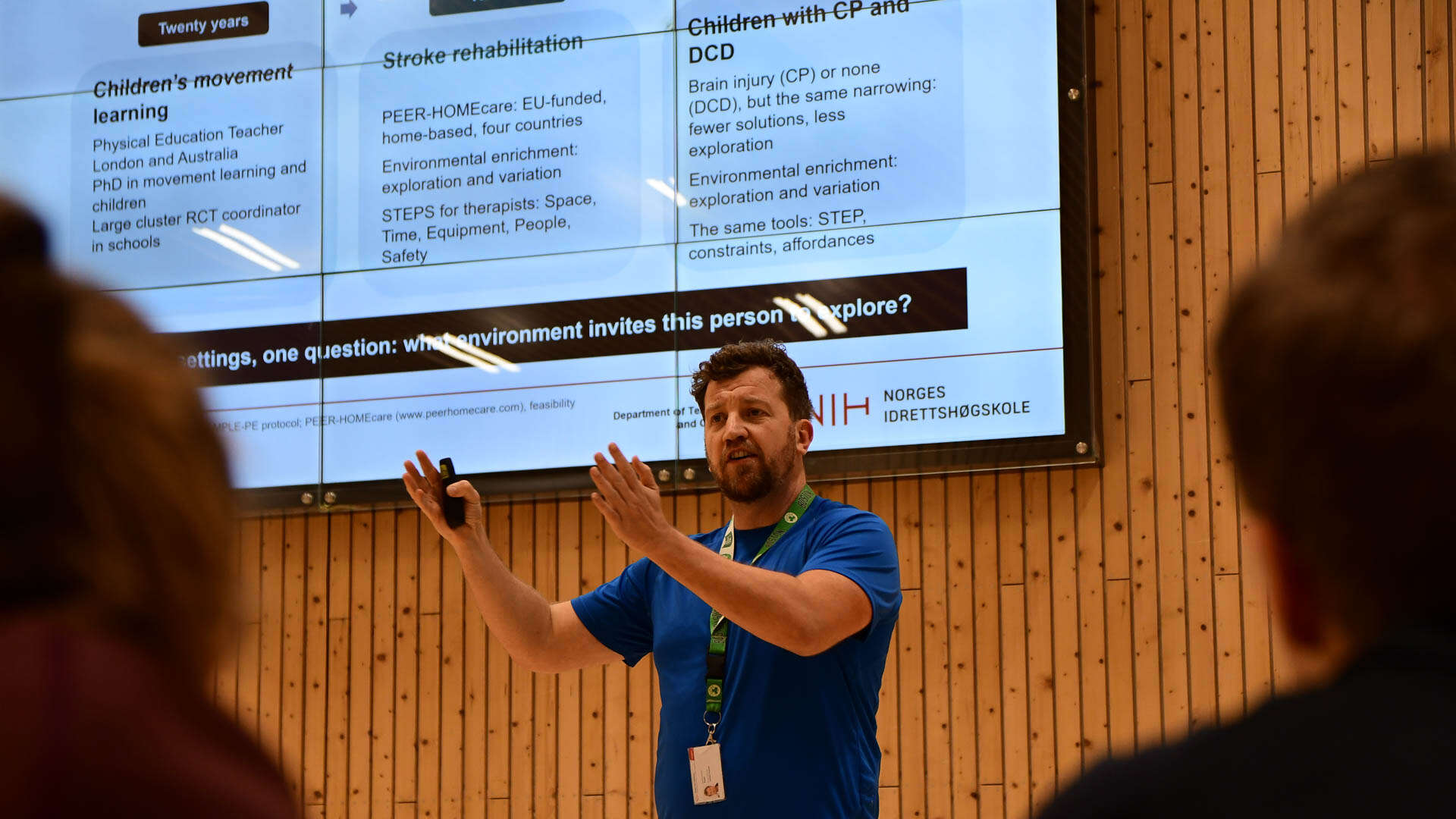
For Professor James Rudd, who leads the European research project PEER-HOMEcare from the Norwegian School of Sport Sciences (NIH), these small changes are what it means to enrich an environment.
“Home is the place where people feel most at ease and where they are used to engaging in daily tasks and routines, such as making coffee, getting dressed and feeding the dog. It is this everyday environment that we work with,” Rudd explains.
More than a million people in Europe have a stroke each year, around 11,000 of them in Norway. Between half and three-quarters have reduced use of an arm or hand in the first days afterwards, and for many the problem persists. Time with a therapist is necessarily limited, and most of the recovery has to happen at home after formal rehabilitation has ended.
What makes an environment enriching?
The idea behind environmental enrichment comes from neuroscience. In animal studies, researchers investigated whether providing surroundings that offer more opportunities for physical activity, exploration and interaction can support recovery after brain injury. Their findings have been promising, but translating them into rehabilitation for people has proved difficult.
The PEER-HOMEcare group set out to address this issue, first reviewing 116 of these studies to understand the characteristics of an enriched environment.
Their conclusion is that an environment is not enriching simply because it contains more objects, equipment or activities. What matters is the relationship between the individual, their abilities, their goals and the opportunities available to them. A kitchen might offer valuable opportunities for one person while presenting barriers to another.
The researchers propose that a situation is enriching when three things hold: it is within the person’s reach; it matters to them; and it cannot be managed just as easily without the affected arm. The person then has a reason to explore new ways of moving, and the researchers believe this exploration and variation is central to recovery.
The team also reviewed 66 studies of current home-based stroke rehabilitation. The findings suggest missed opportunities, as existing approaches often make limited use of the home itself as a resource.
Enriching the home
Participants in the PEER-HOMEcare study receive visits from a physiotherapist or occupational therapist, who gets to know the person, their family and how they live in their home.
The therapist looks at the home as a whole (its spaces, the objects in it, the rhythm of the day and the people who share it) and explores with the family how small adjustments might invite the affected arm and hand into more of everyday life.
A light switch or door handle that someone encounters several times a day can afford repeated opportunities to reach and grip. The adjustments are varied and changed as progress is made, much as the surroundings are regularly changed in the animal studies.
“The point is that change becomes part of everyday life, so that practice occurs naturally without anyone calling it practice,” says Rudd.
From the sports hall to the living room
Rudd’s own background is in movement learning and pedagogy, with a particular focus on how children develop movement skills through physical education. After he joined NIH in 2021, a conference at the school on how research could address complex societal problems encouraged him to think more broadly about his work, and a visit to Sunnaas Rehabilitation Hospital led him to bring together pedagogy, environmental enrichment and rehabilitation, the three elements behind the name PEER.
Testing the approach in three countries
PEER-HOMEcare brings together researchers and clinical partners from Norway, Sweden and Latvia, with a further partner in Portugal. A feasibility study in the three countries is now underway, investigating whether the approach can be delivered in practice and how stroke survivors, families and therapists experience it.
Small wearable sensors record how the affected arm is used in everyday life, capturing not just how often the arm moves but how varied and exploratory the movement is. This gives therapists a basis for adjusting the changes in the home.
The first participants have already completed the programme, with results expected in 2027.
“We first need to understand whether we can deliver this approach successfully, whether it works for families and therapists in their everyday circumstances, and whether we can measure the changes we are trying to create,” says Rudd.
Supporting rehabilitation beyond the hospital
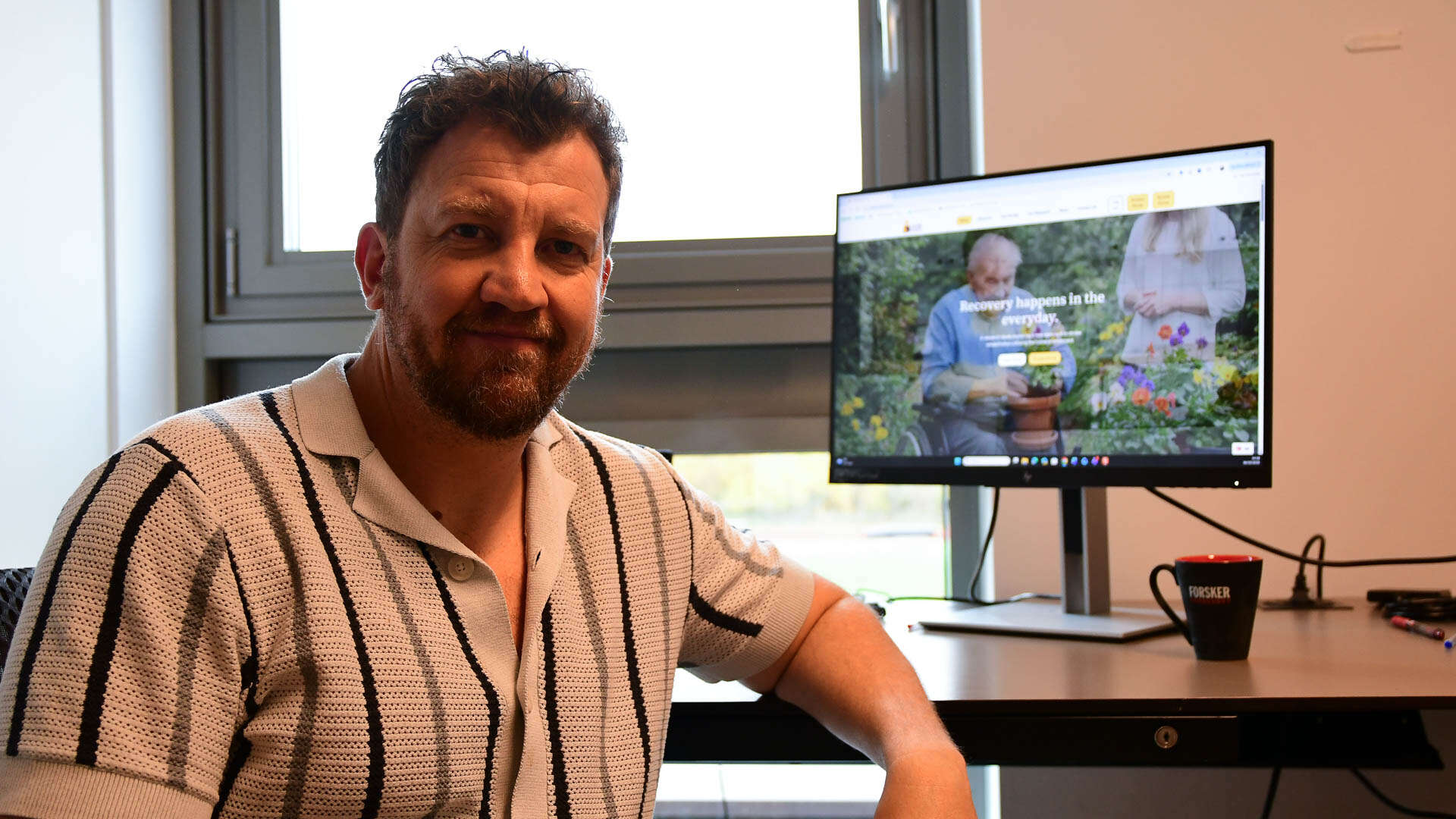
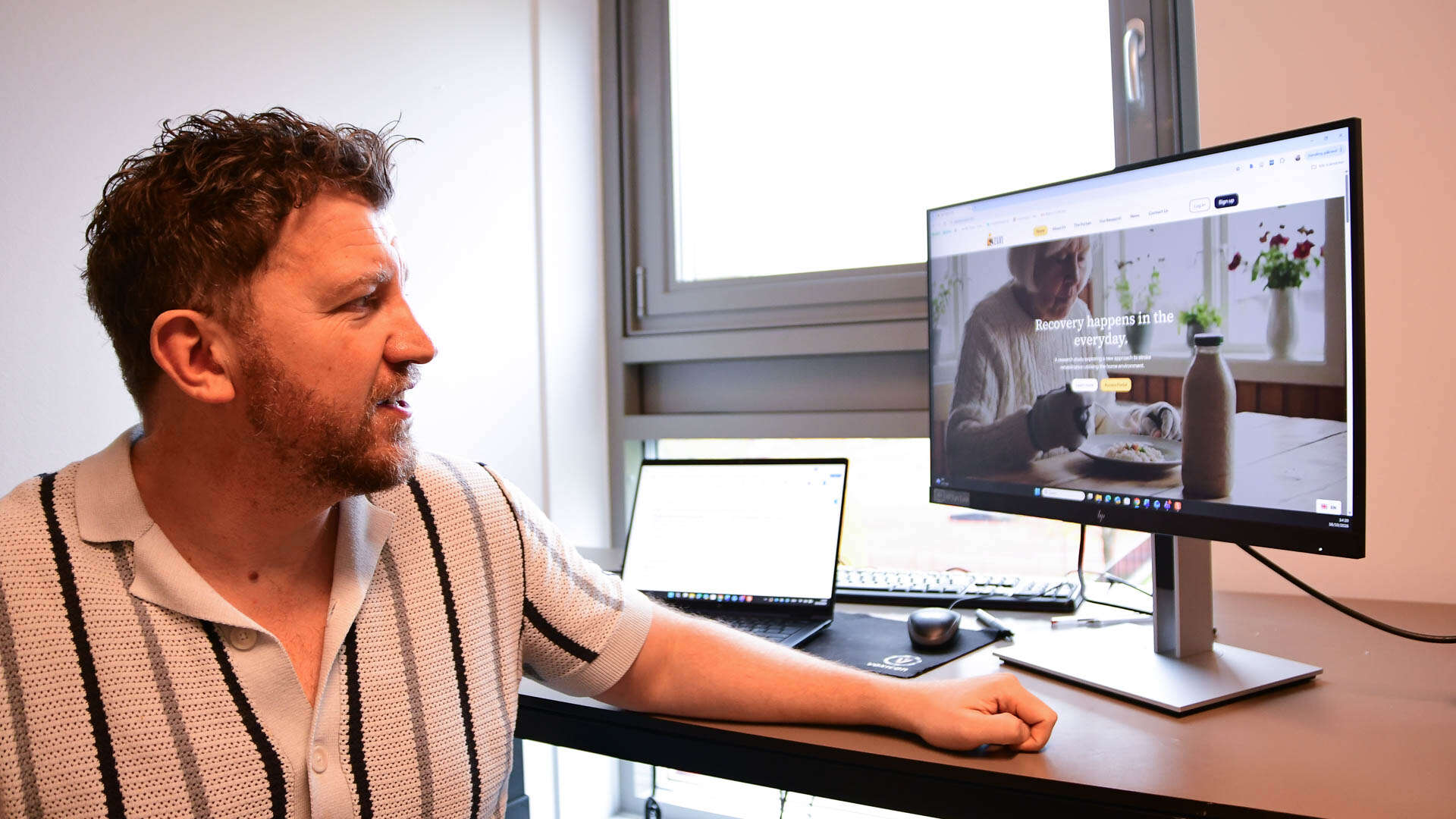
The team has developed a digital platform, peerhomecare.com, with separate learning resources for healthcare professionals and for stroke survivors and their families, developed with input from all three groups.
“Rehabilitation should not be limited to exercises performed at particular times of the day. We want to understand how the activities that already give everyday life meaning can provide opportunities for recovery,” says Rudd.
About PEER-HOMEcare
PEER-HOMEcare is a European research project coordinated by the Norwegian School of Sport Sciences (NIH). It is funded through the European Partnership on Transforming Health and Care Systems (THCS), with national co-funding from the Research Council of Norway and Latvijas Zinātnes padome (Latvian Council of Science). Find out more at the PEER-HOMEcare website.