
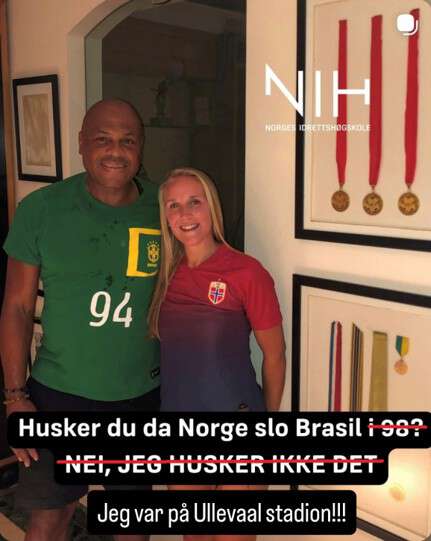
After Norway qualified for the World Cup back in November 2025, I wrote a personal blog post about the frustration of not remembering that famous victory in 1998, and about the heartbreak of one failed World Cup and European Championship qualifying after another.
But at last, the curse was broken: Norway was going back to the World Cup. And as I wrote back then, who knows? Maybe one day I'd get the chance to create a memory of my own of Norway beating Brazil.
And here we are. An entire nation is on cloud nine.
We haven't just qualified, we've shown that we belong there.
What does this do for Norway as a nation?
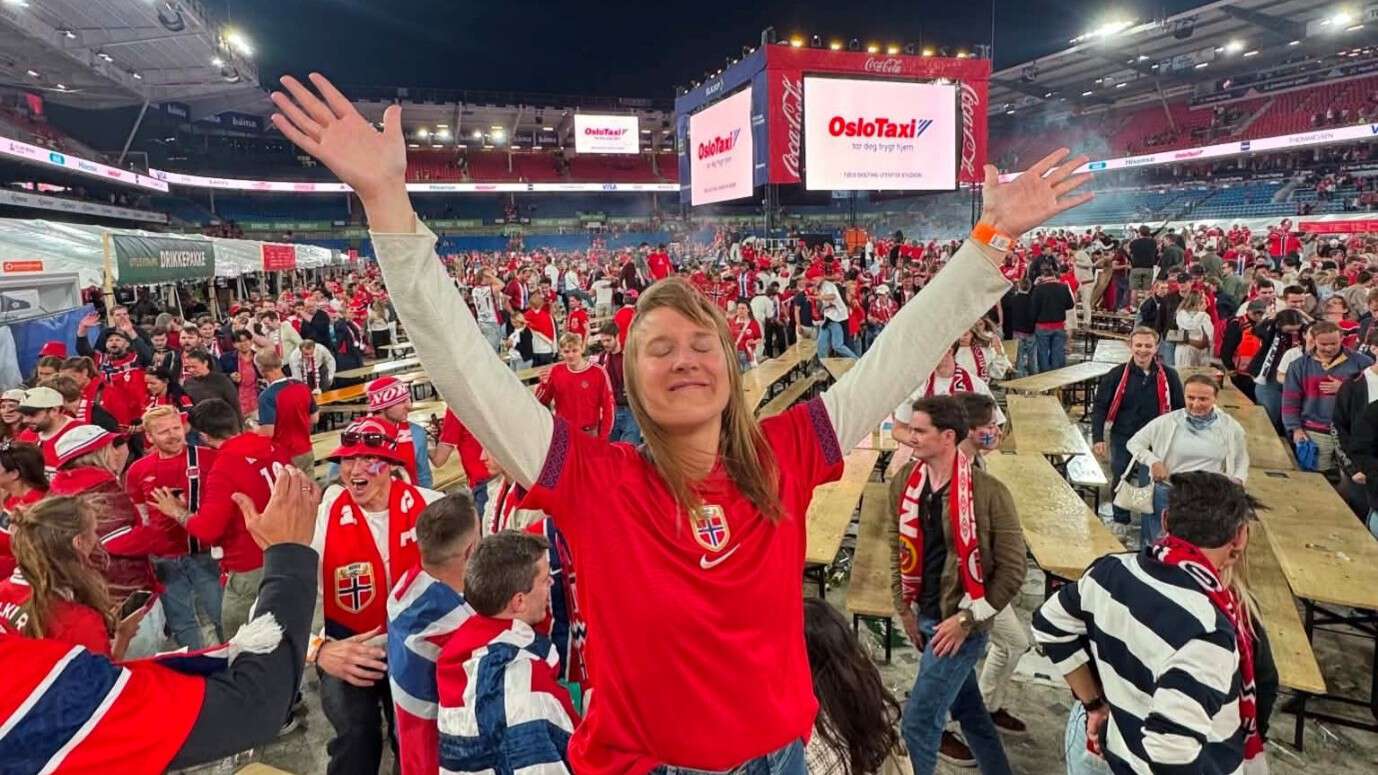
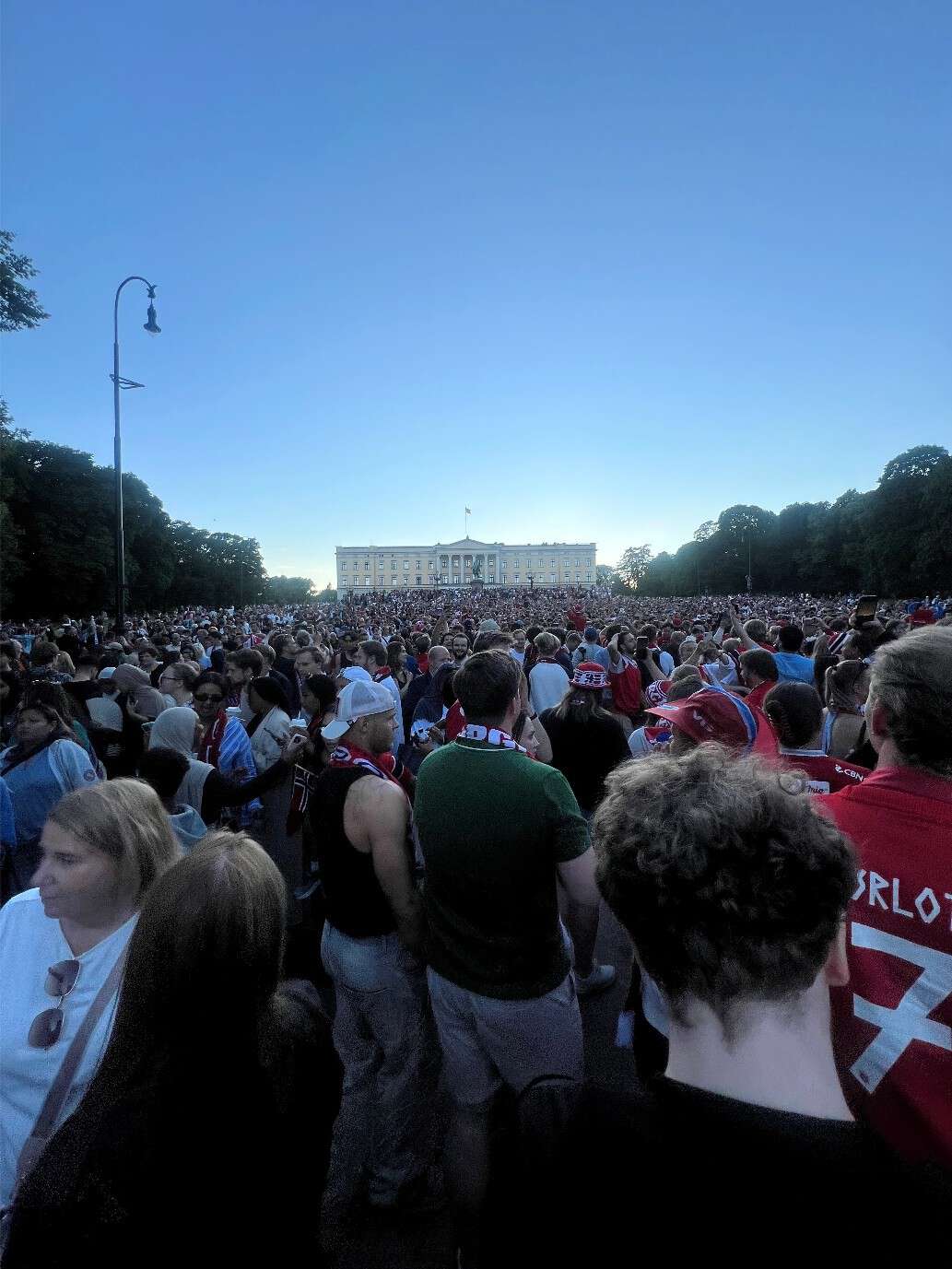
The sense of unity, excitement, and enthusiasm is almost impossible to put into words. What's especially wonderful is seeing football fever spread even to people who normally have little interest in the sport. The whole nation comes together – jumping, cheering, and celebrating as one.
We grow closer. We hug complete strangers in the street, throw our arms around each other, and row together into eternity.
It also gives us the chance to experience intense emotions – feelings that many ordinary people rarely get to experience in everyday life. And I think that's something we can all need.
How has Norway made it this far in the World Cup?
I recently submitted my PhD in sport psychology, which focused on nonverbal communication in elite football. As part of my research, we analyzed players from the 2022 World Cup – a reminder, for me, that Norway was once again absent from football's biggest stage. But now, everything has changed. So, what has enabled Norway to come this far in the World Cup?
Beyond the obvious factors, such as having outstanding individual players competing for some of Europe's top clubs, it seems clear that this team has built something special. There is exceptional leadership, a strong sense of unity, and a deep understanding of each player's role within the squad.
Ståle Solbakken deserves enormous credit for his leadership. Resting key players against France proved to be an important decision. It also meant that almost everyone in the squad got to make their World Cup debut — an unforgettable experience, despite the defeat — which could give them added confidence if called upon later in the tournament. The team also appears to have strong routines for recovering and resetting after matches. Leadership is evident on the pitch as well. The midfielders constantly demand the ball, and captain Martin Ødegaard is always directing his teammates, showing them where he wants them to be.
The unity within the squad is another factor that keeps being highlighted. Sander Berge, for example, recently joked that it felt like being on a "boys' trip that just happens to include World Cup matches." Those of us watching from home also get a glimpse of that camaraderie through the Norwegian Football Federation's Spillerhotellet series, where players and coaches share life inside the World Cup bubble. And every time Norway scores, I don't think there's a single Norwegian who doubts the unique bond this team shares. Everyone genuinely wants the best for one another.
Moreover, clear role understanding has also been central to the team's success. In a 26-man squad, not everyone can be in the starting eleven. Some players know from the outset that their playing time will be limited, while for others it can be difficult to find themselves on the bench when they had hoped to start or play a bigger role. But those challenges become much easier to handle when the leadership, unity, and trust within the group are as strong as they appear to be.
Can Norway go all the way?
We knocked out Brazil, the most successful nation in football history, with five previous World Cup titles. They may not have been among the very top favorites to win this tournament, but beating Brazil is always something special. With the positive momentum this the Norwegian team has built, I honestly believe anything is possible. HEIA NORGE!