

We have addressed this [inclusive practice] with researchers who gave concrete answers in the NIH podcast.
"It's a very vulnerable space for a lot of people, and we can do a lot of good, but we can also do a lot of damage," says lisahunter, a senior lecturer at Monash University in Melbourne, Australia.
Unpacking Norms in Sports and Physical Education
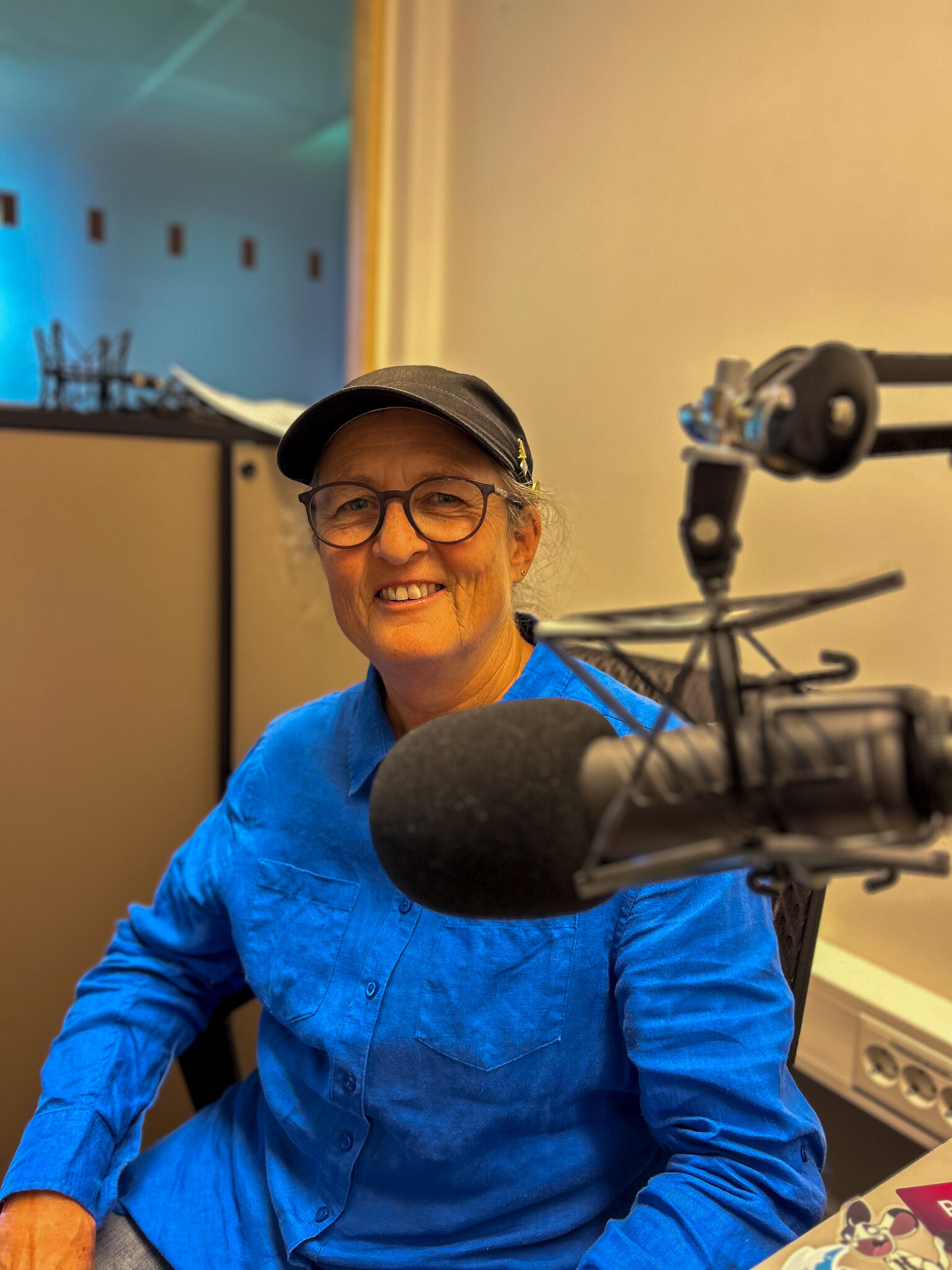
Together with Fiona Dowling, a professor at the Department of Sports and Social Sciences at NIH, they came to NIH's studio to talk about what teachers and coaches could do to be more inclusive.
The researchers discussed how gender and sexuality can influence experiences in physical education and sports.
"Sports for all; we want to be inclusive. Lisa used the term “inclusivity” to unpack gender theory. We need [these] theoretical concepts or tools to help us see what's often taken for granted and right in our faces, so to speak. How, then, can we analyze what's going on?" says Dowling.
The Influence of Gender and Sexuality
They also shared personal experiences and how these have influenced their research and teaching.
"Unravelling all of that to see how we can make real change, not just superficial change, is probably why we're still talking about issues around sex, gender and sexuality when we've known answers and ways forward for many, many years."
"If you're not acting against the normativity, you must be supporting it. Therefore, it means you are excluding people," says lisahunter.

Say everyone, not boys and girls
Speaking inclusively may be easier than you think.
"Even something as simple as not saying to the class, girls and boys, but saying everyone. So you're not imposing on a certain gender binary that says, well, if you don't fit one of those, then I'm not talking to you. It's how I bring people in and make them feel like they are recognised, that they are present."
Hear the discussion in the NIH podcast here or in your Podcast app.
Quotes from the interview were edited for clarity.